2015年「民族誌攝影展」入選作品
2015年「民族誌攝影展」入選作品
2015年「民族誌攝影比賽」共入選六件作品如下:
Yu Yuanyuan
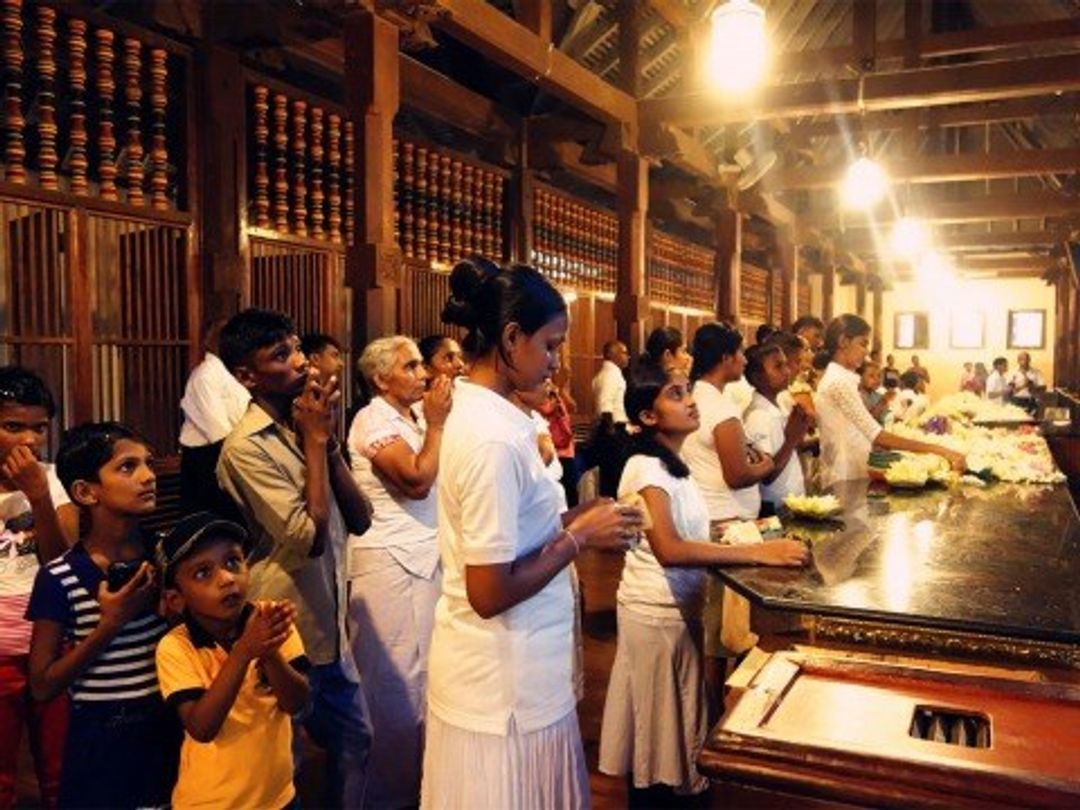
《A Normal Day in Dalada Maligawa ,Sri Lanka》
高雅寧 Kao Ya-ning
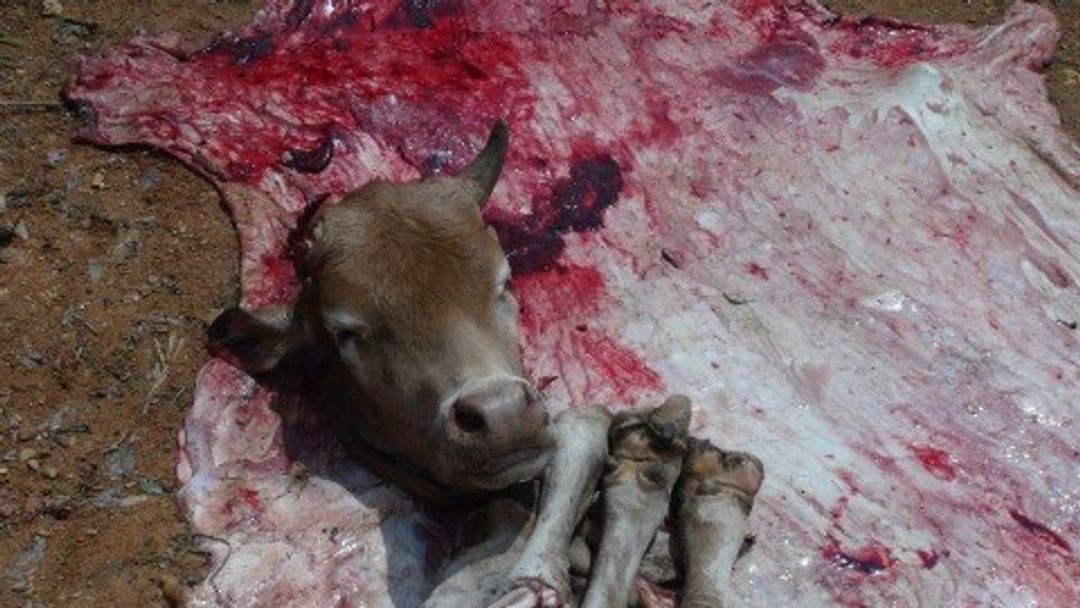
《儀式之後/Sacrifie a Bull to Hero Nong Zhigao》
雲南貴馬村每年農曆六月的最後一天,都要到村落外的河邊進行祭祀民族英雄儂智高的儀式。儀式主要是要獻上一頭公牛。儀式由男性祭司主持,幾位壯漢合力將牛宰殺後,由祭司獻祭生牛肉。祭祀結束,牛頭、牛皮與牛腳攤在河邊,後後歸於祭司,牛肉的部分被分成四十一份,各家派人來領取。
On the last day of the sixth lunar month, villagers in Guima, Yunnan carry out a rite to commemorate national hero Nong Zhigao in a riverside outside the village. A bull was sacrificed during the rite. A male ritual specialist conducted the rite. After several men killed the bull, the ritual specialist offered raw beef. After the rite, the bull's head, skin, and legs were put on the ground. They all belonged to the ritual specialist and the beef were divided into 41 portions and every household sent a person to pick up the beef.
陳淑芬 Chan Suk-fan
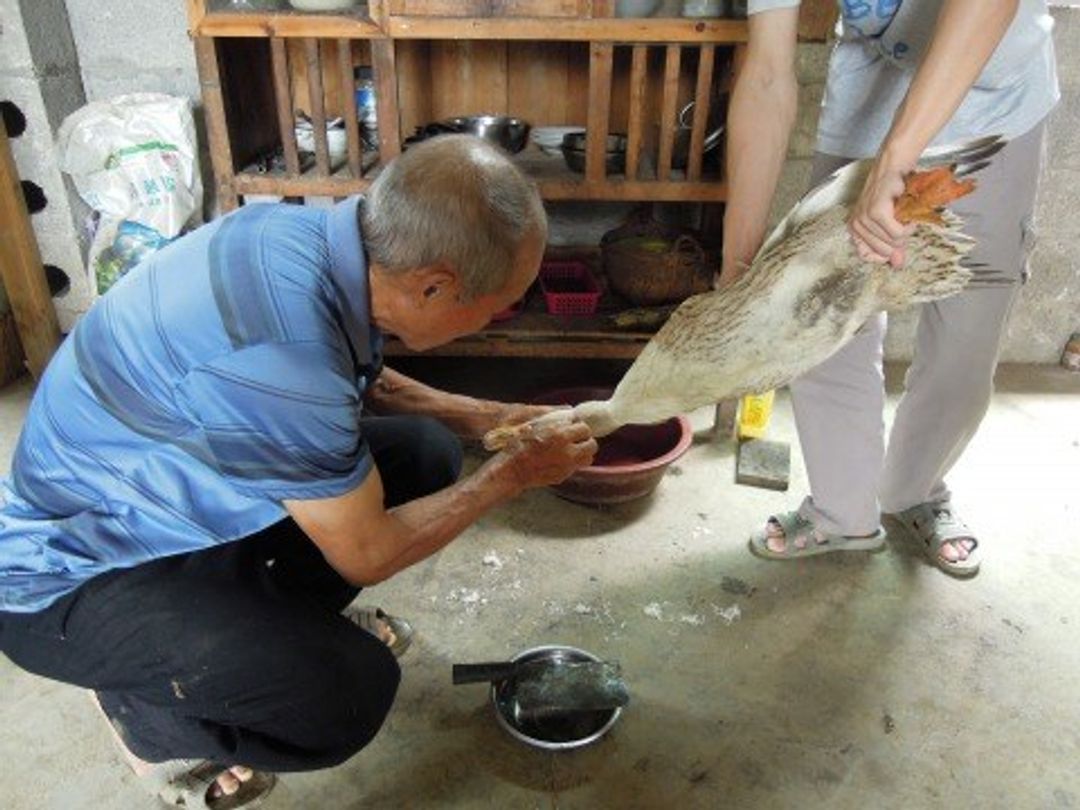
《最佳禮物—鴨子/Duck as the best gift of Zhuang Ghost Festival》
郭揚義 Kuo Yang-yi
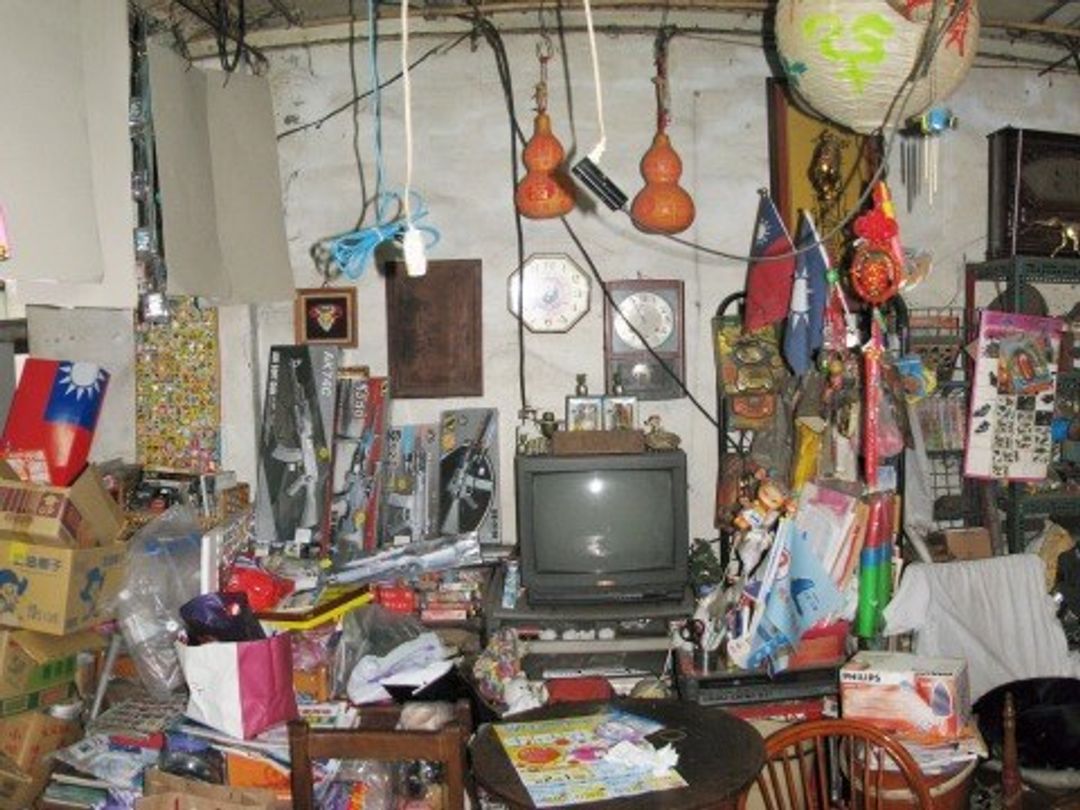
《寧靜致遠的重層存有:眷村物質文化拾穗/Sedimentary Existence - A Glimpse of Material Culture in Juancun》
物質文化研究學者認為,物質不是過去我們所認為的只是人類社會之「反映」,相反地,物質能夠表達人類說得出與說不出(ineffable)的意念或想法;或者我們甚至可以進一步說,沒有了物質作為基礎,我們的想法是無法表達清楚的。因此「物質文化本身就是社會文化」,不是「社會的反映」,而物質本身的重要性與地位,其實並不亞於思想、情感或社會本身。從這個角度來看,眷村所代表的不只是某些人的某一段歷史與生活記憶,眷村及其物質文化,是人類在特定時空背景之下的思考模型與存有方式。「就本質上而言,我們是物質性的存在(materiality is all we are),我們所擁有的一切也是如此(all we have)」(Pearce, Susan M. 2013. Foreword. Museum Materialities: Objects, Engagements, Interpretations. S. H. Dudley, Routledge: xiv)。這個眷村雜貨店主人每日生活與經營生意的角落,清楚地向我們說明了這一件事。
顏仕宇 Nga Shi Yeu
《Ten》
簡圭彣
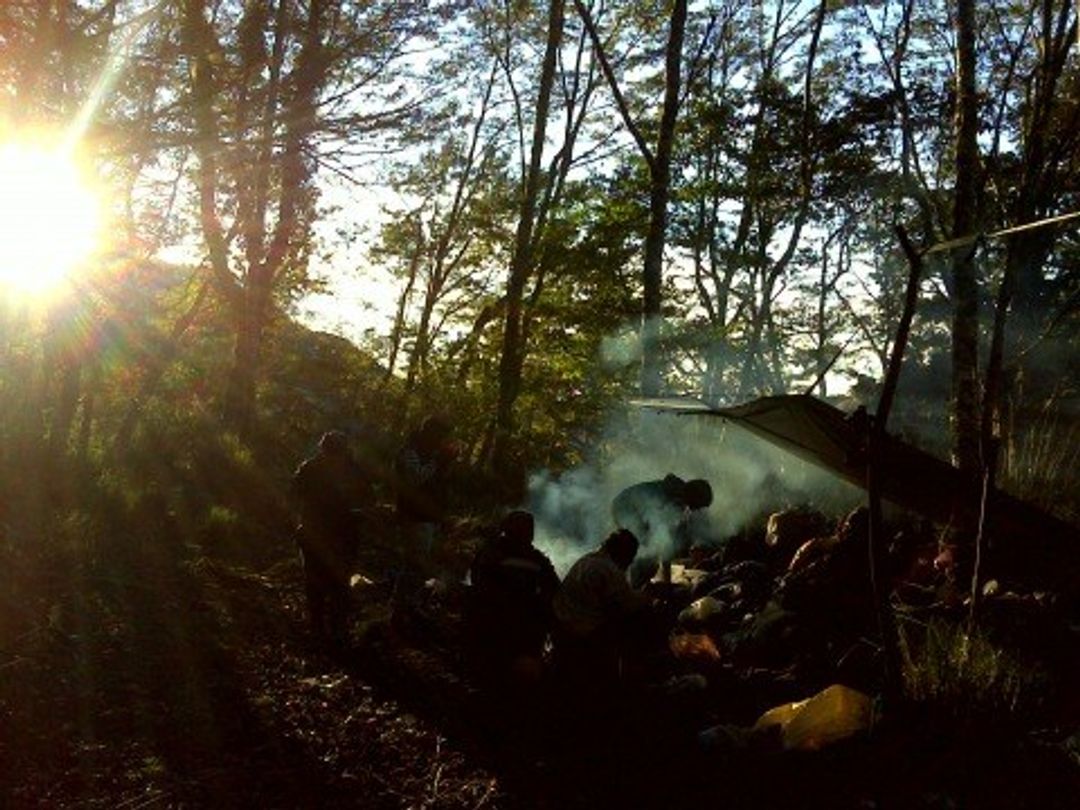
《在回家的路上 On the Way Back Home》
拍攝時間:2012年1月
拍攝地點:延平林道30.5K
台東縣延平鄉布農族人在日治時期受到集團移住政策影響而全面遷移到低海拔地區,這是族群文化、生活空間與歷史記憶的重要轉折,在戰後諸多政治經濟與社會環境的劇烈變遷過後,因著原住民族權利運動的覺醒與號召,而開始有意識的重返早期祖先曾經生活過的家園,藉由實地重返舊聚落並重新建造傳統家屋,嘗試在過程中去恢復人群及文化之間的諸多連結。 照片攝於重返團隊徒步十天前往舊聚落後,折返回到新聚落的路途中,與上山迎接的親友們共度一晚,迎來旭日準備再度啟程回家。從2001年至今(2018年),行動者持續在新舊聚落之間來回往返,試圖於過程當中貼近傳統文化、同時努力開創未來想像,對於參與其中的布農族人及各族群的人們而言,「重返內本鹿」行動是每年重要的相會時刻。
入選作品